Revitalize Your Property: Crucial Insights On Residential Improvement Projects for Every Homeowner
Many householders want to find options to upgrade their residences through home improvement projects. These renovations extend from small kitchen fixes to full house remodeling. Being aware of the possibilities is crucial for making informed decisions. Furthermore, there exist tangible aspects like budgeting and selecting the professional contractor. As householders start this endeavor, they may run into surprising obstacles. The secret to a great renovation lies in careful planning and performance. What are the next necessary steps?
Knowing the Various Categories of Residential Renovation Work
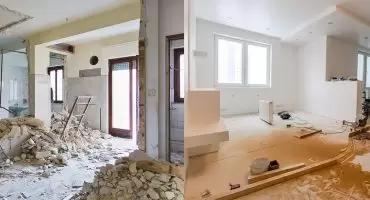
When homeowners consider renovating their residences, they typically find many different types of services suited to various requirements and preferences. These services can be broadly categorized into various categories, each focusing on particular areas of home improvement. Renovating the kitchen involves modernizing fixtures, cabinetry, and the design to boost practicality and aesthetics. Bathroom upgrades generally mean upgrading fixtures, tiles, and storage solutions for better convenience and design.
Complete residential remodeling includes significant changes throughout the residence, frequently involving changing the structure to make the most of the space and layout. External improvement work, on the other hand, aim to improve curb appeal, addressing siding, roofing, and the yard. Additionally, specialized services including converting the cellar and loft remodeling enable property owners to utilize fully underutilized spaces. All these service types delivers specific perks, allowing property owners to select choices that match their goals for their residence. Knowing these variations is essential when choosing wisely during the renovation process.
Setting a Realistic Budget for Your Remodeling Project
How can homeowners guarantee their renovation work stays financially viable? Creating a sensible budget is necessary. It is advisable for homeowners to begin by determining their fiscal limits, covering savings and possible funding sources. This initial step will help determine the amount that can be set aside for the updating project without compromising other financial responsibilities.
Subsequently, property owners need to investigate the expenses linked to their planned updates, taking into account materials, labor, and unexpected costs that frequently occur. Creating a detailed list of priorities helps with separating necessities from non-essential items, enabling modifications if the finances are strained.
It's wise to include a contingency fund, usually about 10-20% of the overall cost, to cover unexpected costs. Periodically examining and tweaking the budget as the updating work progresses can also help maintain financial control. In the end, a carefully structured budget not only guarantees project viability and makes the whole updating experience better for homeowners.
Selecting the Appropriate Contractor for Your Requirements.
Selecting the right contractor can significantly affect how well a renovation turns out. It is recommended that homeowners start by conducting thorough research, seeking recommendations from friends, family, or online reviews. It is crucial to check qualifications, like licenses, insurance, and bonds, to verify their standing.
When prospective builders are located, they should seek detailed cost breakdowns and timeframes, making it possible to compare options knowledgeably. Meeting with them offers a look at their manner of communicating and their professional conduct, which are crucial for working together effectively.
Furthermore, examining previous work via portfolios or referrals can reveal a contractor's quality of workmanship. Homeowners should also inquire about warranties or guarantees, indicating the builder's certainty about their services.
Finally, picking a builder whose approach fits the property owner's ideas, cost plan, and timeframe fosters a more positive remodeling experience, guaranteeing that the project meets expectations and changes the space as intended.
Organizing and Conceptualizing Your Perfect Area.
As those renovating imagine their desired rooms, thorough preparation and well-considered layout are crucial elements of a successful remodeling project. The beginning stage requires reviewing existing necessities and future desires, allowing for a thorough understanding of how the space will be used. Homeowners should consider functionality, aesthetics, and personal style, ensuring that the design reflects their unique preferences.
Next, developing a comprehensive budget is essential. This budget should account for materials, labor, and possible unexpected costs. Hiring professional designers can provide valuable insights, aiding in maximizing the area while adhering to budgetary constraints.
Including features such as ample daylight, open layouts, and sustainable materials can improve the final result. Lastly, seeing the project via mock-ups or 3D visualizations can help perfect concepts before starting the work. By thoughtfully tackling the design and planning stage, homeowners can design a welcoming, practical area customized for their needs.
Understanding Regulations and Permits in Home Remodeling
Familiarizing oneself with the red tape and requirements can be daunting for homeowners embarking on a renovation. Each municipality has specific rules that dictate what is permissible during renovations, typically guided by area restrictions, construction standards, and safety standards. It is essential for homeowners to understand local regulations to prevent expensive penalties or setbacks in the timeline.
Typically, obtaining permits is crucial for major changes, such as modifying load-bearing elements or new wiring installations. This process usually necessitates providing designs for examination and could involve check-ups at different phases.
Engaging a knowledgeable contractor can simplify this process, as they are often familiar with local codes and can aid in filing necessary forms. It is important for homeowners to communicate regularly with the city's regulatory body to verify legality throughout the project. By comprehending and working within these rules, homeowners can meet their renovation objectives and maintaining compliance with the law in their renovations.
Common Queries
How Long Does a Typical Home Remodeling Project Take?
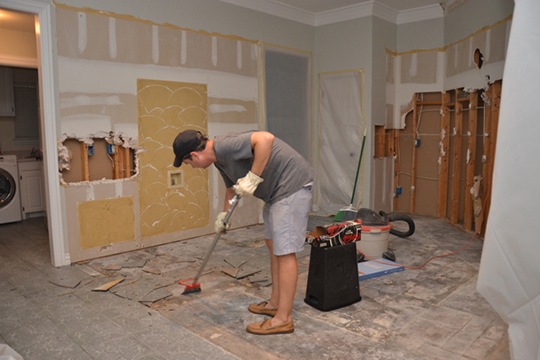
The average remodeling job typically spans three to six months on average, contingent upon the extent of the project, size of the home, and material lead times. Intricate jobs could demand more time for completion.
What's the best way to avoid common mistakes you should steer clear of when renovating?
Typical pitfalls in the remodeling process are things like underestimating budgets, not securing the required permissions, overlooking timelines, not maintaining clear communication with your builders, and ignoring long-term functionality. Understanding these dangers often results in a more find out more efficient, more positive renovation outcome.
How do I choose the right materials for my project?
Choosing the right materials involves evaluating how long they will last, aesthetics, and budget. Researching options, talking to specialists, and considering maintenance needs will significantly help in reaching educated conclusions, to guarantee the project fits your needs and preferences.
Is it possible to stay in my house while the remodeling is happening?
Yes, one can live in the house while work is ongoing, but it may lead to inconvenience. Careful planning, effective coordination with the renovation team, and designating specific areas where you can live normally will reduce the inconvenience during the process.
What warranties should I expect from the renovation company?
You should anticipate receiving warranties that guarantee the quality of the work, the products installed, and structural components, typically ranging from one to ten years. It is essential to examine the exact provisions with contractors to understand coverage and limitations fully.